
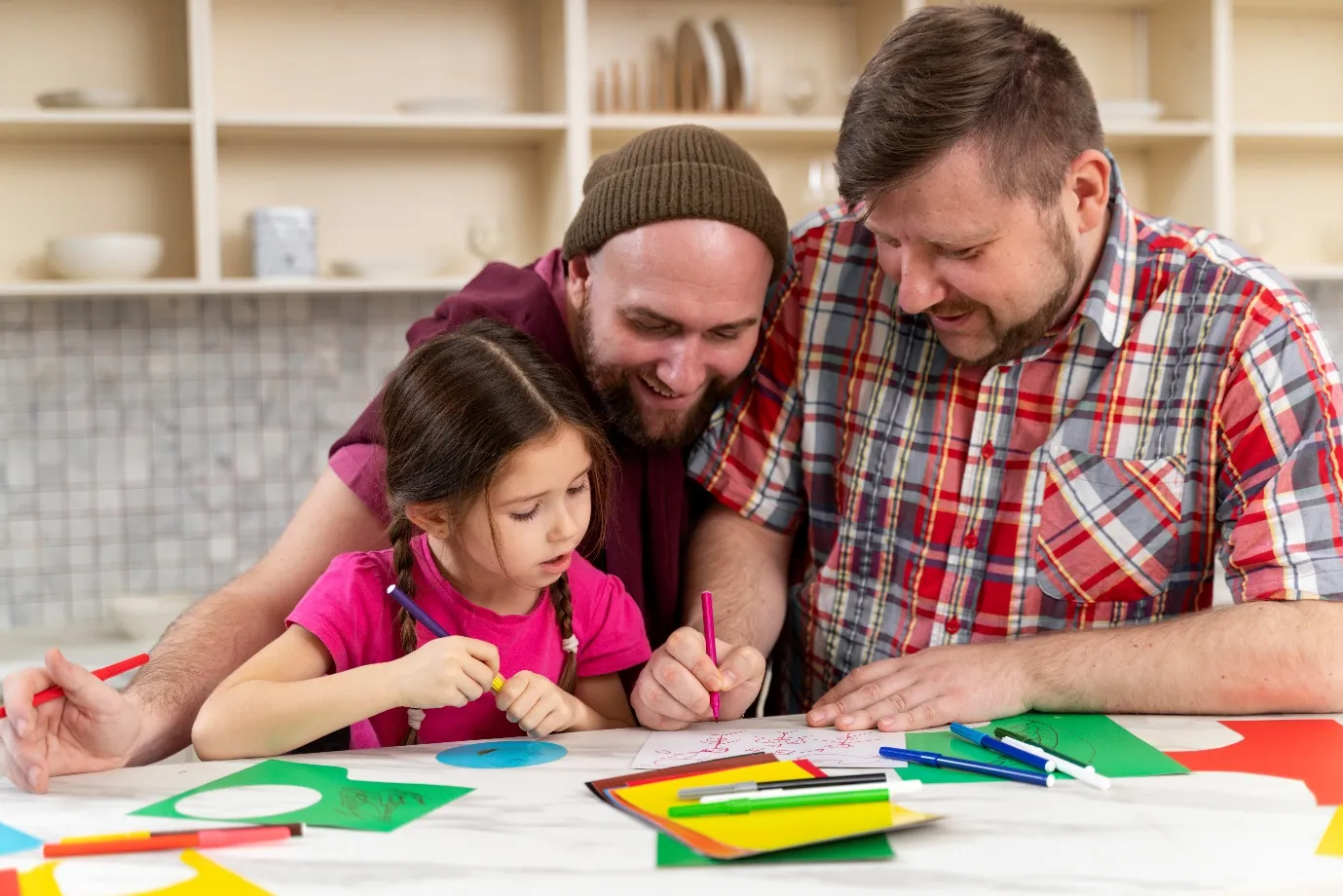
The journey from preschool to primary school is one of the most exciting milestones in a child’s life. It marks the beginning of a more structured learning environment, new friendships, greater independence, and fresh opportunities to grow. For many parents, however, this transition can also bring questions and concerns. Will my child be ready? Can they cope with academic expectations? How can I help them feel confident?
The good news is that school readiness is not just about knowing numbers, letters, or how to read simple words. It is also about building strong learning habits, emotional resilience, and a positive attitude toward learning. Children who develop these skills early often adapt more smoothly when they enter Primary 1.
Let’s explore how parents can support their children in moving from preschool confidence to primary school readiness.
What Does Primary School Readiness Really Mean?
Many people assume school readiness means academic excellence. While basic literacy and numeracy help, readiness is much broader. A child entering primary school should ideally be able to:
- Follow simple instructions
- Sit and focus for short periods
- Communicate needs clearly
- Work independently on basic tasks
- Interact positively with teachers and classmates
- Handle small challenges without frustration
- Show curiosity and willingness to learn
These abilities help children settle into a more structured classroom and gain confidence in their new environment.
Why Early Learning Habits Matter
Habits formed in the early years often shape future academic behavior. A child who learns to complete tasks, stay curious, listen carefully, and try again after mistakes is developing skills that support lifelong learning.
Strong learning habits also reduce stress when school begins. Instead of feeling overwhelmed by routines, worksheets, or classroom expectations, the child already has a foundation to build on.
Parents play a major role here because learning habits begin at home.
1. Create Consistent Daily Routines
Children thrive on routine. Predictable schedules help them feel secure and teach responsibility.
Before primary school begins, establish routines such as:
- Waking up at the same time each day
- Eating meals regularly
- Having quiet reading or learning time
- Packing school items the night before
- Sleeping early
These routines make the eventual transition to school timings much easier. Children who are used to structure often adjust faster in their first school year.
2. Encourage Independence
Primary school children are expected to manage simple tasks on their own. Parents can build independence gradually during preschool years.
Allow your child to practice:
- Wearing shoes
- Carrying their bag
- Opening lunch boxes
- Tidying toys after play
- Organising stationery
- Using the toilet independently
Though these tasks may seem small, they build confidence. A child who can do things independently feels more secure in a classroom setting.
3. Make Reading a Daily Habit
Reading is one of the most powerful ways to prepare children for school success. Even 15–20 minutes of daily reading can improve vocabulary, listening skills, concentration, and imagination.
You can:
- Read bedtime stories together
- Ask questions about characters and events
- Encourage your child to describe pictures
- Let them retell the story in their own words
- Visit libraries regularly
Children who enjoy books often enter primary school with stronger language skills and a love of learning.
4. Build Numeracy Through Everyday Life
Math readiness does not require formal drills at an early age. Instead, simple daily experiences help children understand numbers naturally.
Try activities like:
- Counting fruits while shopping
- Sorting toys by size or color
- Measuring ingredients while cooking
- Recognising shapes around the house
- Comparing more and less
These playful experiences make numbers meaningful and enjoyable.
5. Strengthen Attention and Listening Skills
In primary school, children need to listen to teachers, follow instructions, and focus on tasks. These skills can be developed through games and home activities.
Helpful ideas include:
- Puzzle solving
- Memory games
- Building blocks
- Story listening
- Simon Says
- Simple art and craft projects
Gradually increase activity time to build concentration in a natural way.
6. Teach Emotional Readiness
Academic readiness is important, but emotional readiness is equally essential. Some children know letters and numbers but struggle with separation anxiety, frustration, or social confidence.
Support emotional growth by teaching children how to:
- Express feelings with words
- Take turns with others
- Handle disappointment calmly
- Ask for help when needed
- Solve minor conflicts respectfully
Praise effort rather than perfection. When children understand mistakes are part of learning, they become more resilient.
7. Encourage Curiosity Over Pressure
Many parents worry that their child must be “ahead” before Primary 1. This sometimes leads to excessive pressure. However, curiosity and confidence often matter more than memorisation.
Instead of asking only, “Did you get it right?” ask:
- What did you discover today?
- Why do you think that happened?
- How would you solve this problem?
- What would you like to learn next?
This helps children view learning as exciting rather than stressful.
8. Prepare for Stronger Academic Expectations
As children move into primary school, lessons become more structured and academic demands increase. Some children adapt quickly, while others need extra support in subjects such as English, Math, or Science.
Parents should observe signs like:
- Difficulty understanding homework
- Low confidence in classwork
- Stress about tests
- Falling behind in core subjects
When needed, additional guidance such as structured practice at home or personalised academic support can help children stay on track. Many families explore primary school tuition in Singapore to provide targeted assistance and boost confidence during the early school years.
9. Communicate Positively About School
Children often mirror parental emotions. If parents speak anxiously about exams or pressure, children may fear school before it even starts.
Instead, talk positively:
- You’ll make new friends
- Teachers will help you learn new things
- School is a place to explore and grow
- It’s okay to ask questions
Confidence grows when children associate school with opportunity rather than fear.
10. Every Child Progresses Differently
Some children read early. Others excel socially. Some need more time to build focus or confidence. This is normal.
Avoid comparing your child to siblings, cousins, or classmates. Readiness is not a race. Supporting steady growth matters more than rushing milestones.
Celebrate progress such as:
- Completing a task independently
- Trying a new word
- Solving a puzzle
- Staying calm during challenges
- Showing kindness to others
These moments reflect genuine readiness.
Final Thoughts
The move from preschool to primary school is not about creating a perfect student—it is about nurturing a confident learner. By building routines, encouraging independence, supporting literacy and numeracy, and strengthening emotional skills, parents can help children step into primary school with confidence.
Early learning habits become the foundation for future success. With patience, encouragement, and the right support, every child can make this transition positively and thrive in their new academic journey.